visibilium omnium et invisibilium

All things visible
and invisible.

The stigma is gone, but the questions remain. UAP Theology explores what the phenomenon means for Catholic faith, drawing on Scripture, St. Thomas Aquinas, and the Church's long tradition of thinking critically about creation, angels, and the limits of our knowledge.

Faith has nothing to fear from reality.

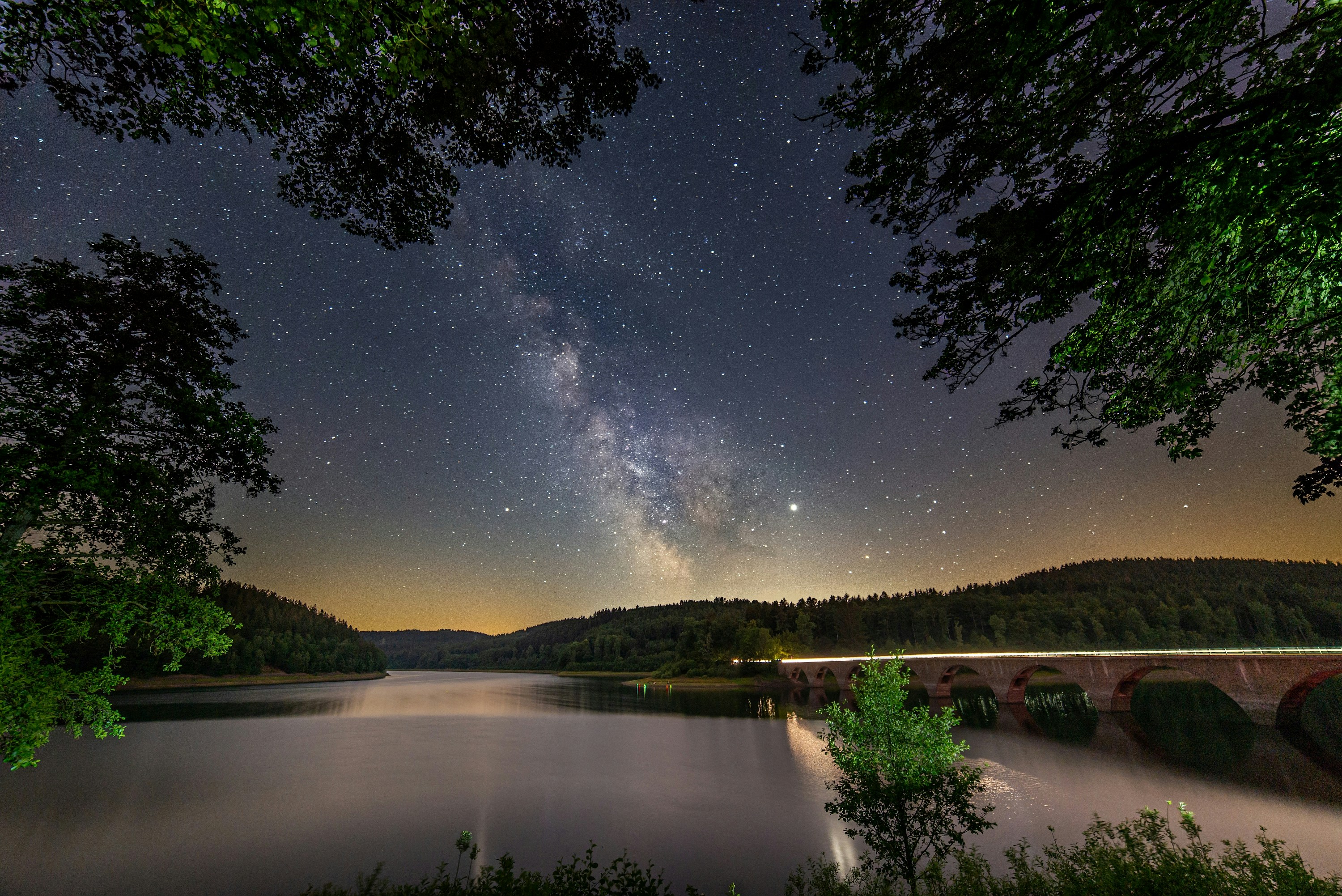
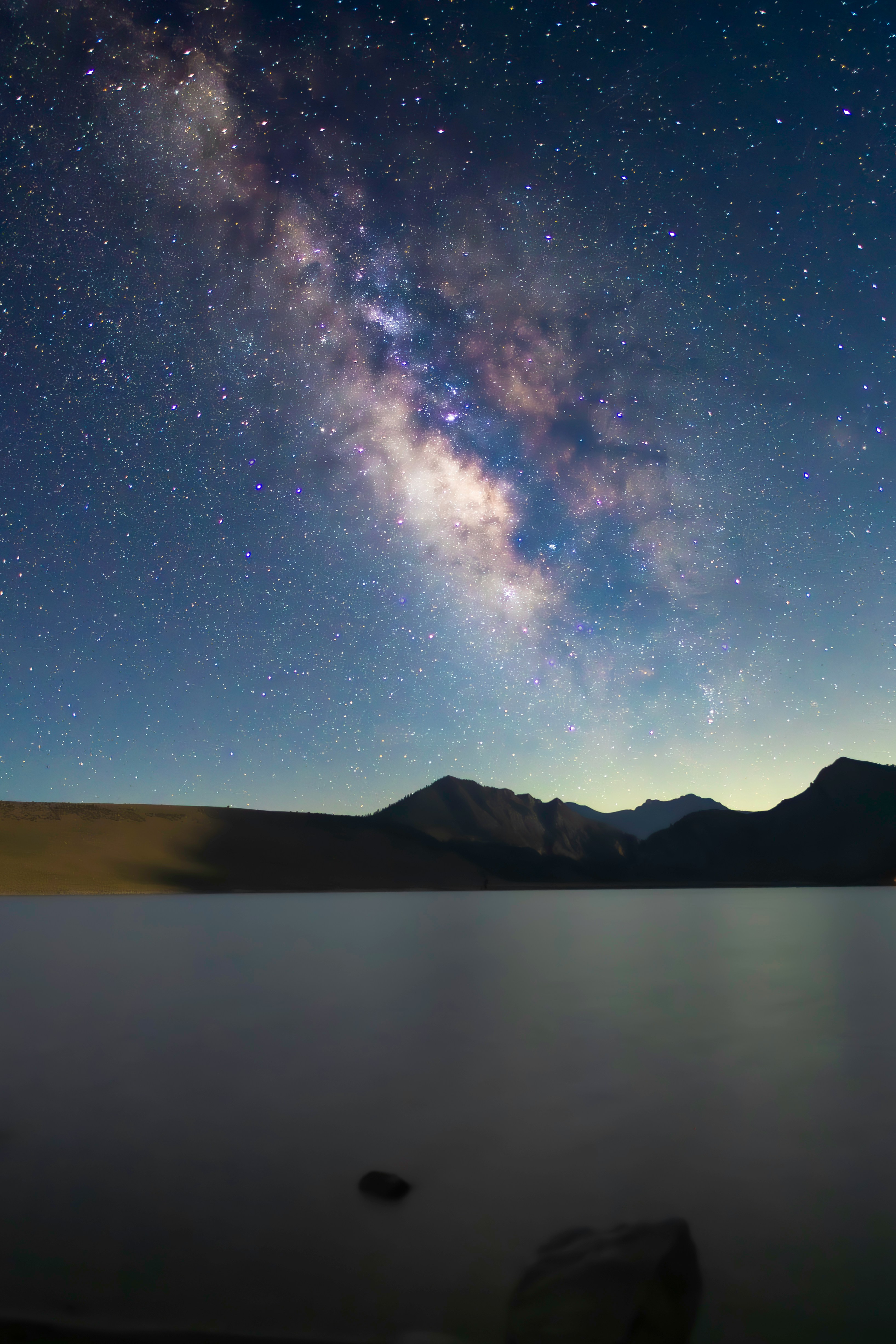
The Milky Way over a still mountain lake
The heavens over still water. Photo by Donna Elliot on Unsplash.
Start here

Three ways in

I · The Question

Why is this theology at all?

What the Church has and hasn't said, why the easy answers fail, and what serious Catholic engagement with the phenomenon looks like.

Read →
II · The Witness

What I saw at Island Grove Park

December 4, 2021. A large, silent object over a Massachusetts pond, and the discernment that followed.

Read →
III · The Tradition

Aquinas and the hierarchy of being

Where would nonhuman intelligence fit in creation as St. Thomas understood it? A research series in progress.

Read →
A witness account · December 4, 2021

What I Saw at Island Grove Park

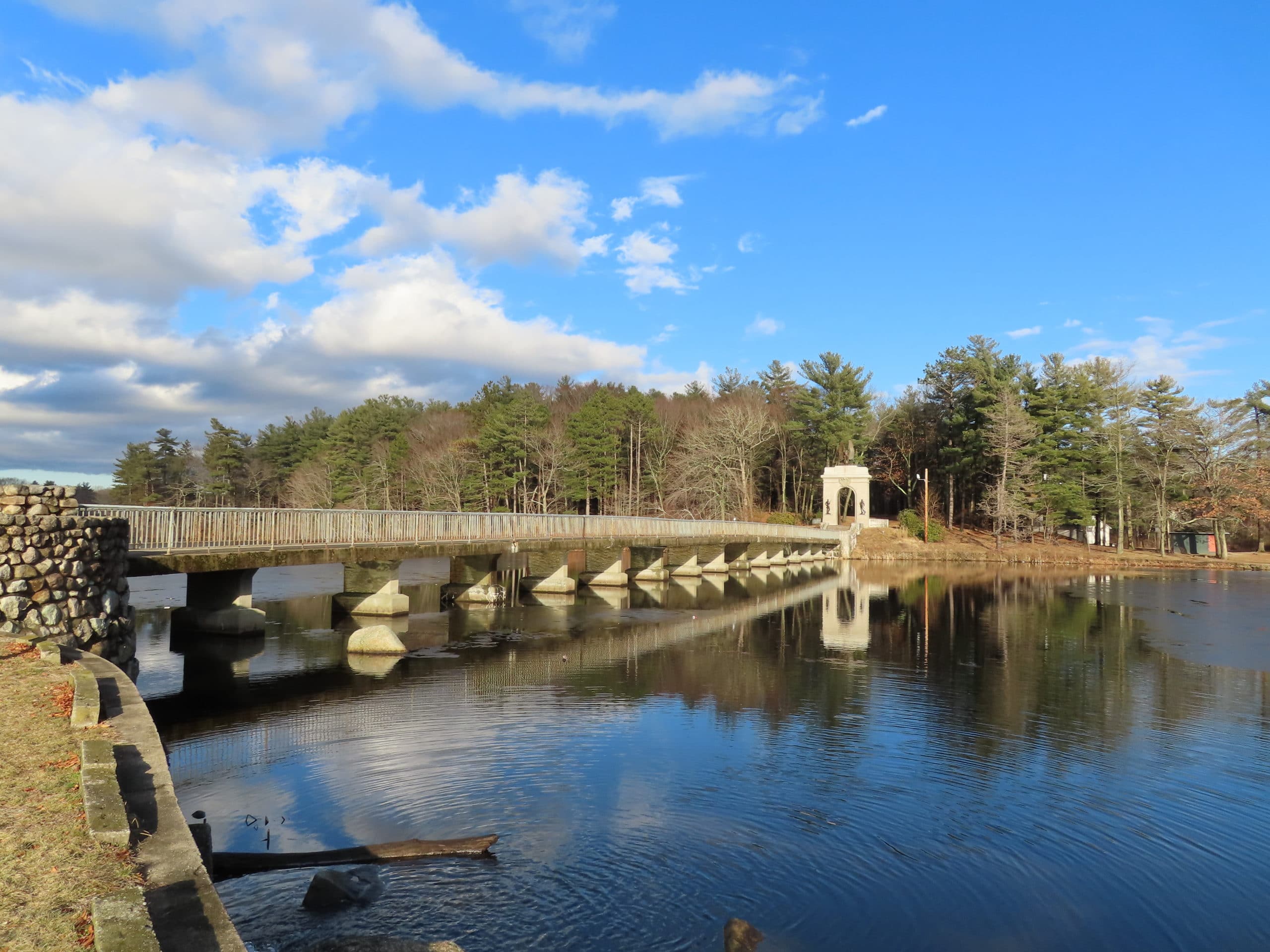
Island Grove Pond, the walking bridge, and the memorial arch reflected in the water
Island Grove Pond, Abington, Massachusetts. The bridge and memorial arch from across the water.

A note on what follows. I am not claiming to know what the object was. I am stating what I witnessed. My wife witnessed it with me.

On December 4, 2021, my family and I attended the annual Christmas tree lighting at Island Grove Park in Abington, Massachusetts. The evening included Christmas activities for the children and ended with the lighting of the town tree. The park is bordered on three sides by Island Grove Pond. We parked on Lake Street, where we could see the tree lights shimmering across the water.

As I guided my children back to the car, I noticed something hovering a few hundred feet above the pond. My first thought was that it was a drone filming the event. A second thought followed at once. If UFOs are real, this is probably what they look like. I had children to buckle into car seats, so I told myself I would take a closer look once everyone was settled. If it was still there.

My attention was divided that night. I was entering finals week of my first semester in a graduate computer science program, and I had planned to go home and study. I remember thinking that I did not have time for this.

The object did not leave.

After my wife and I got into the front seats, I leaned toward her and asked, "What is that?" Several hundred feet away, an object hovered in the air with blinking lights. Over the next few moments it moved slowly toward us. At one point I was no longer looking across the pond but up at it. Eventually it hovered about two hundred feet in front of us.

I could not make out its exact contours, but it was large, roughly the size of a small SUV. Several lights ran along its side. They were unlike any lights I had seen. They did not illuminate the body of the object or reflect off it. The light seemed self-contained, as if it served some purpose other than visibility. Even its quality felt unfamiliar.

What struck me most was the silence. The object made no sound at all. Nothing I have ever observed, no aircraft, helicopter, or drone, can hover and maneuver at low altitude without producing noise. This object did exactly that.

We sat in the car and watched it for thirty to forty-five minutes. I felt no fear. I felt peace, and something like gratitude. The moment seemed like a gift, a chance to see how narrow my sense of God's creative power had become. After years of graduate theological study, it is easy to fixate on fine points of revelation and lose the capacity for wonder. Sitting in that car, I felt like a child before the Father. Creation is greater, stranger, and more expansive than I had allowed.

I also felt a strong interior prompting simply to watch, to take it in quietly. I had the distinct sense that I should not film it, and that if I tried, it would leave. Eventually curiosity won. I stepped out of the car to take a photo. When I looked back, the object was gone. My wife, who never took her eyes off it, said it moved rapidly across the pond and disappeared. Whether it shut off its lights or accelerated instantly, I cannot say.

Growing up, I was frightened by stories of aliens and abductions. I assumed that if I ever encountered something unexplained, I would feel dread. I felt the opposite. Through my spiritual life I have tried to practice Ignatian discernment, which teaches that persistent fear is not from God. As I looked at the object, and imagined it looking at me, I felt a quiet and grounding conviction. We were both creatures within God's creation.

Afterward I set the experience aside. I knew that integrating it would mean reexamining some assumptions, and I was not ready. It was finals week. I filed it away and moved on.

Several years later, reports emerged of unidentified drones hovering over parts of New Jersey. The memory came back. Witnesses described silent, SUV-sized objects hovering at low altitude, and the grainy footage resonated with what I had seen. I was frustrated by how quickly people dismissed those reports. When multiple witnesses watch a large object hover silently for half an hour, the question is not whether something was there. The question is what it was.

About a year after my sighting, I bought a small drone for my son and me. Even at several hundred feet overhead, it produces a noticeable buzz. I have never seen or heard of a drone the size of a small SUV that hovers at low altitude for long stretches in total silence. The silence remains the unmistakable detail. Nothing in our known world operates that way.

I have kept this experience mostly to myself. I have prayed over it and reflected on it within the context of my faith. I am not claiming to know what the object was. I am stating what I witnessed. A large, silent object, moving with apparent purpose, holding low altitude for an extended period, unlike anything I have encountered before.

Some months ago I began drafting a research paper on whether nonhuman intelligence could fit coherently within the hierarchy of being as Thomas Aquinas presents it. Before that night at Island Grove Park, I assumed the existence of extraterrestrial life would detract from the faith. To my surprise, as I examine my own experience in light of the faith, I feel that I am finally doing real theology.
Writing

Essays

Published on the UAP Theology Substack and archived here.

A starry sky over still water and a stone bridge
Photo by Evgeni Tcherkasski on Unsplash.
Published Witness · Discernment

What I Saw at Island Grove Park

A large, silent object over a Massachusetts pond, and what a Thomist does with an experience he never asked for.

Coming soon Foundations

Why UAP Theology?

The manifesto. Why the phenomenon is a theological question, and why fear is not the Catholic response to a new reality.

Coming soon Discernment

Fear Is Not From God: An Ignatian Reading of an Anomalous Encounter

Applying the discernment of spirits to an experience most frameworks treat as either delusion or demon.

Coming soon Pastoral

In Memoriam: Paul Thigpen

What his scholarship meant to one reader processing an experience of his own.

Coming soon Aquinas · Series

Aquinas and the Hierarchy of Being: Where Would Nonhuman Intelligence Fit?

Part one of a research series on creation, angels, and rational creatures in St. Thomas.

Coming soon The Phenomenon

What a Drone Cannot Do

An AI security researcher applies his standards of evidence to the New Jersey drone sightings, and to his own.

Foundations

Why is this a theological question at all?

Light falling through the windows of St. Peter's Basilica, over the inscription Ego Rogavi Pro Te
St. Peter's Basilica. The inscription reads "ego rogavi pro te": I have prayed for you, that your faith may not fail (Luke 22:32). Photo by Chad Greiter on Unsplash.

Congressional hearings, military sensor data, and credible witnesses have moved the UAP question out of the tabloids. The question is no longer whether people see things they cannot explain. They do. The question is what these things are, and that question does not belong to physics alone.

The Catholic Church has made no doctrinal pronouncement on nonhuman intelligence. It doesn't need to for the question to be serious. The tradition has always taught that creation contains intelligences that are not human. We confess it every Sunday, all things visible and invisible. Angelology is nonhuman intelligence studied for two thousand years.

Two easy answers dominate Catholic conversation. The first says every anomalous encounter is demonic. The second says the phenomenon disproves the faith. Neither survives contact with the tradition. Aquinas teaches that all truth, no matter who speaks it, comes from the Holy Spirit. If something is real, it belongs to God's creation before it belongs to anyone's theory about it.

The real questions are harder and more interesting. Where would embodied nonhuman intelligence fit in the hierarchy of being? What does the Incarnation mean for other rational creatures, if they exist? How does a Catholic discern an anomalous experience without credulity and without fear? What should pastors say to believers unsettled by disclosure headlines?

"Faith and reason are like two wings on which the human spirit rises to the contemplation of truth."
ST. JOHN PAUL II · FIDES ET RATIO

St. John Paul II opened his encyclical on faith and reason with that sentence, and it is the charter of this site. The Church has never asked believers to choose between honest inquiry and fidelity. Reason investigates what these objects are. Faith knows who made whatever they turn out to be. A Catholic needs both wings, and refusing either one is how you fall.

The Church has weathered Copernicus and Darwin. Each time, the panic came first and the synthesis came later, and the synthesis was better theology than what it replaced. This site is a small attempt to start the synthesis early, with fidelity to the Magisterium and the intellectual patience of St. Thomas.

Fear is not the Catholic response to a new reality. It never has been.

Library

Resources

A curated, annotated reading list. Faithful, rigorous, no hype.

Carlo Crivelli's painting of St. Thomas Aquinas holding a church and an open book
Carlo Crivelli, St. Thomas Aquinas (1476), from the Demidoff Altarpiece. National Gallery, London. Public domain.

Books

Disclosure goes here once enrolled: "As an Amazon Associate I earn from qualifying purchases."

People & Institutions

The Film

The author

About

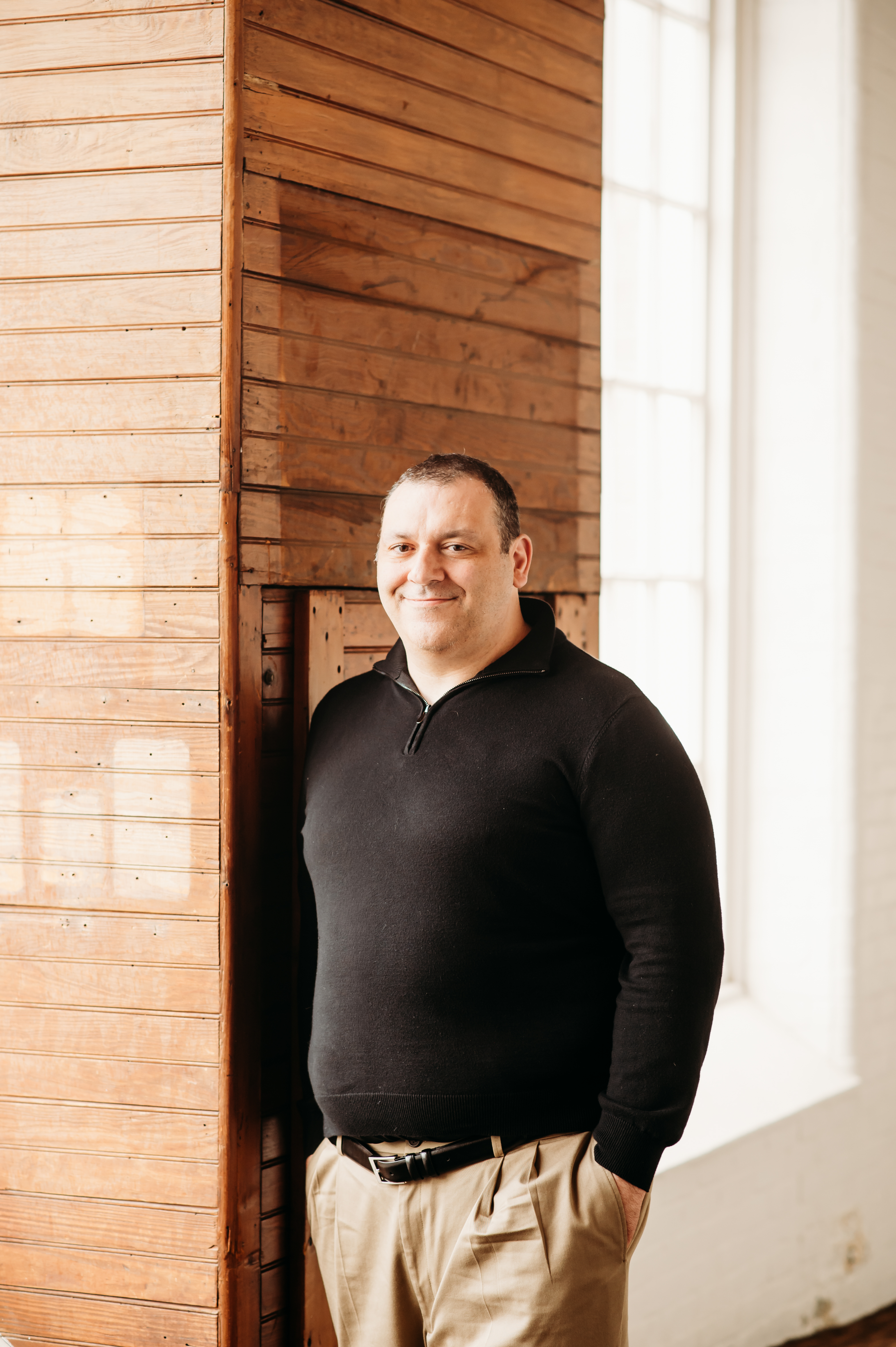
Mark Foudy

Mark Foudy is a Thomist, an author, and an offensive cybersecurity researcher. Before any of that, he is a Catholic, a husband, and a father of three.

He holds a Master of Theological Studies from Boston College's School of Theology and Ministry, where he produced the first published English translation of Thomas Aquinas' commentary on Lamentations, in the Latin-English volume Commentary on Jeremiah and Lamentations (Aquinas Institute). He spent three years studying Latin and classical languages first, because you cannot do serious work on Aquinas without reading him in the original. He has presented his Thomistic research at theological conferences across the United States and internationally, including in Poland, and his academic work is collected on Academia.edu.

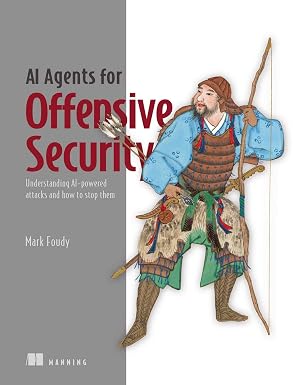
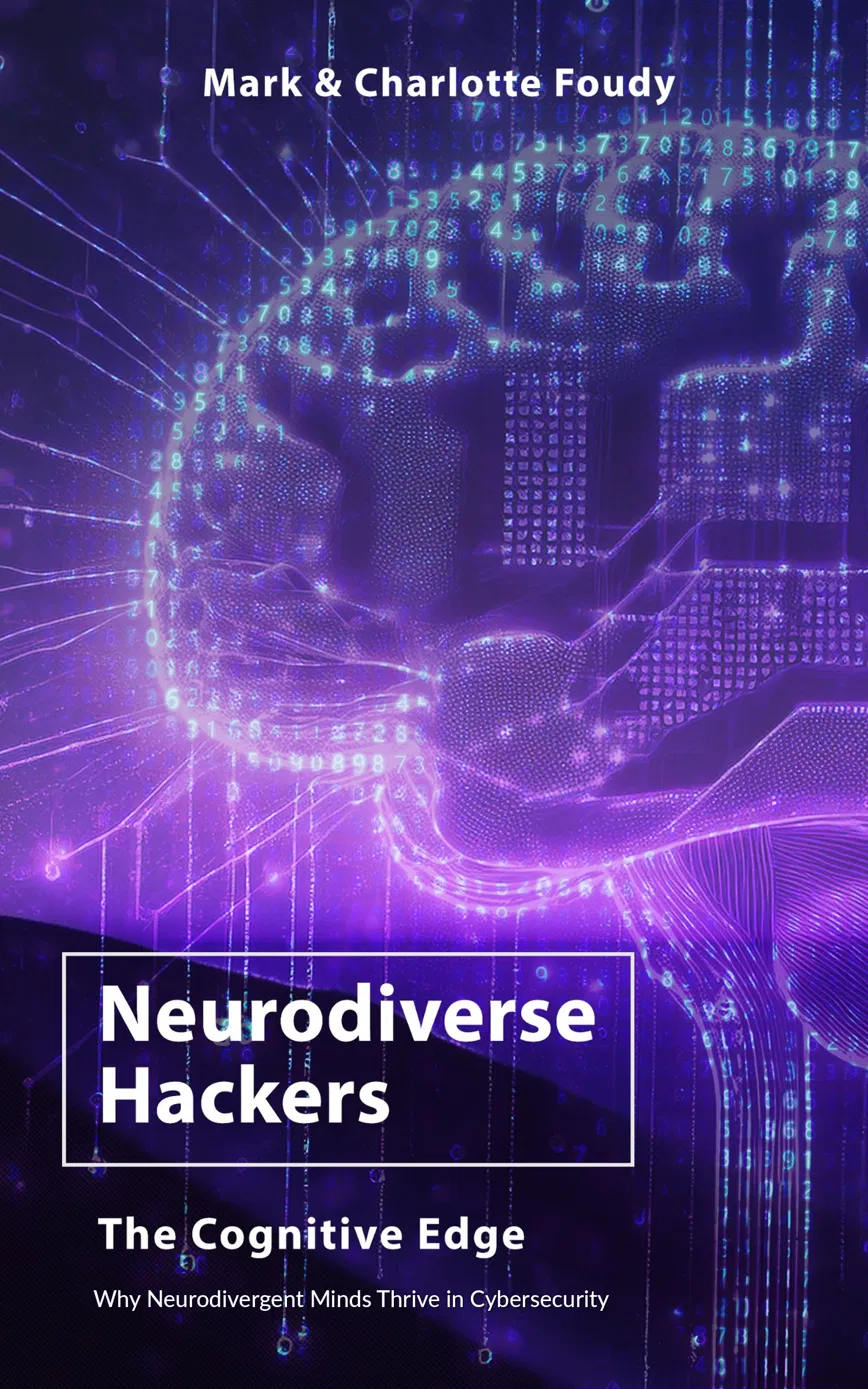
By day he works in offensive security research. He is the author of AI Agents for Offensive Security (Manning Publications). With his wife Charlotte, a Catholic author, publisher at Sanctorum Press, and AI safety researcher, he co-wrote Neurodiverse Hackers: The Cognitive Edge. Together they founded Neurodiverse Hackers, a 501(c)(3) nonprofit for accessibility and inclusion in cybersecurity.

On December 4, 2021, he and Charlotte watched a large, silent object hover over Island Grove Pond for half an hour. This site is what a Thomist does with that.

Books by Mark Foudy

TRANSLATION
Commentary on Jeremiah and Lamentations cover

St. Thomas Aquinas, Commentary on Jeremiah and Lamentations

The first published English translation of Aquinas' Lamentations commentary, in a Latin-English edition (Aquinas Institute).

Buy on Amazon →
TECHNICAL
AI Agents for Offensive Security cover

AI Agents for Offensive Security

Understanding AI-powered attacks and how to stop them. Manning Publications.

Buy on Amazon →
Buy from Manning →
CO-AUTHORED WITH CHARLOTTE FOUDY
Neurodiverse Hackers: The Cognitive Edge cover

Neurodiverse Hackers: The Cognitive Edge

How neurodivergent minds became an asset in cybersecurity.

Buy on Amazon →
ndhack.org →

Media & Speaking

I am available for podcasts, interviews, panels, and parish or conference talks. I speak from a rare position in this conversation, as a trained Thomist, a working AI security researcher, and a witness.

Topics I can speak to:

TOPIC

Catholicism & the UAP question

What the tradition actually says, what it doesn't, and why fear is not the Catholic response.

TOPIC

Aquinas & nonhuman intelligence

The hierarchy of being, angelology, and whether other rational creatures fit within it.

TOPIC

Discernment for experiencers

An Ignatian framework for anomalous experiences, from someone who has used it on his own.

TOPIC

AI, evidence & the phenomenon

Deepfakes, AI, and how a security researcher weighs UAP evidence.

Bio

Mark Foudy holds a Master of Theological Studies from Boston College and produced the first published English translation of Thomas Aquinas' commentary on Lamentations. He has presented Thomistic research at conferences in the United States and Europe. He is an AI security researcher and the author of AI Agents for Offensive Security (Manning). He writes at uaptheology.com on Catholic faith and the UAP phenomenon, a subject that became personal for him in December 2021.

Contact

Media inquiries, questions, corrections, or a story of your own. I read everything. Use the form below, or write to mark@uaptheology.com.

A note for experiencers. If you are a Catholic who has seen something you cannot explain and you have kept it to yourself, you are welcome here. I will treat your story with the same discretion I wanted for my own. Nothing you send is shared or published without your permission.